


Table of contents
- 1. Don’t Trust a Voice Just Because It Sounds Familiar
- 2. Use a Family Safe Word
- 3. Hang Up and Call Back Using a Trusted Number
- 4. Treat Urgent Payment Requests as a Red Flag
- 5. Don’t Confirm Personal Information During the Call
- 6. Watch for Emotional Pressure
- 7. Be Careful With Unknown Links Sent After a Call
- 8. Use Built-In Spam and Call Protection Tools
- 9. Report AI Phone Scams
- What to Do If You Already Answered a Suspicious Call
- Quick Checklist: How to Stay Safe From AI Phone Scams
- Final Thoughts
- FAQ
AI phone scams are becoming harder to spot because they no longer sound like obvious robocalls.
A scammer can now use voice cloning, caller ID spoofing, and fake emergency stories to make a call feel personal. The voice may sound like a family member, a manager, a bank employee, or even a government official.
That does not mean you need to panic every time your phone rings. It means you need a better verification habit.
These AI phone scams safety tips will help you slow down, check the call, and avoid giving away money or personal information under pressure.
1. Don’t Trust a Voice Just Because It Sounds Familiar

Voice cloning is one of the biggest changes in phone scams.
Scammers may use AI to imitate someone you know. The call might sound like your child, parent, friend, boss, or coworker. The story is usually urgent: an accident, an arrest, a lost phone, a medical emergency, or a payment that must happen immediately.
The FTC has warned that scammers use voice cloning because familiar voices make people more likely to react quickly. Its consumer alert on harmful voice cloning explains how fake voices can make requests for money or information feel more believable.
If a call sounds emotional and urgent, pause before responding. A real emergency can survive a quick verification step. A scam depends on panic.
2. Use a Family Safe Word
A family safe word is simple, but it works.
Choose a word or short phrase that only close family members know. If someone calls claiming to be in trouble, ask for the safe word before continuing.
Do not make it something easy to guess, like a pet name, birthday, school name, or favorite team. Scammers can often collect that kind of information from social media.
A good safe word should be:
- Short
- Private
- Easy for family to remember
- Hard for strangers to guess
This is especially useful for families with children, older parents, or relatives who may be targeted by emergency scams.
3. Hang Up and Call Back Using a Trusted Number
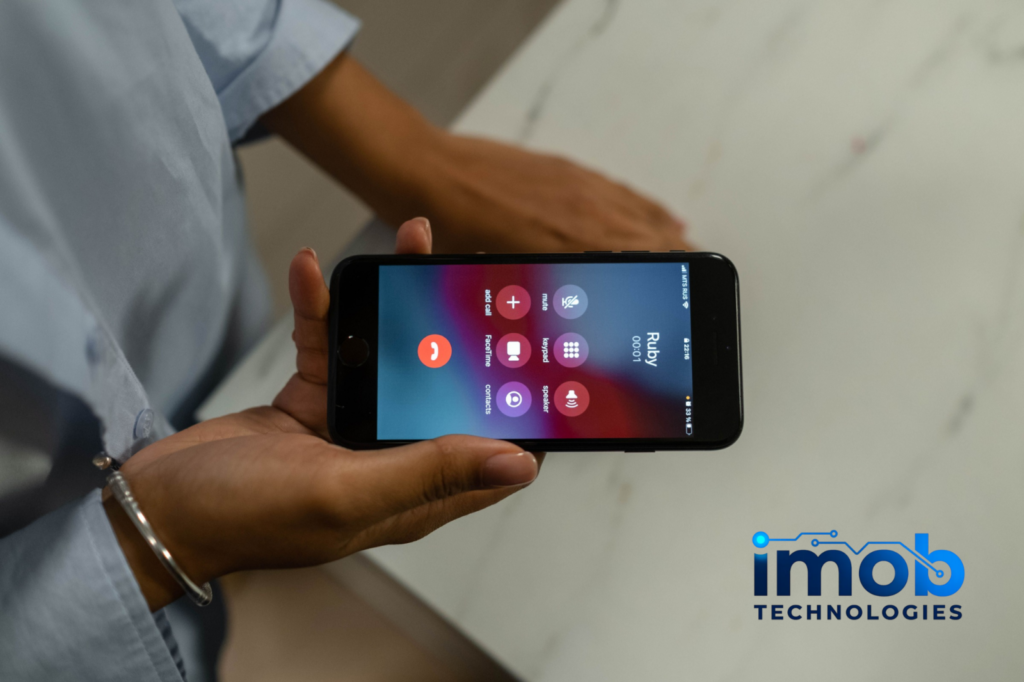
If someone calls claiming to be from your bank, phone carrier, delivery company, workplace, or a government agency, do not use the number they give you during the call.
Hang up.
Then call back using a trusted number from:
- The official website
- The back of your bank card
- A saved contact you already trust
- A previous official document
- The company’s mobile app
This step protects you from caller ID spoofing, where scammers make the call appear as if it came from a real business or agency.
The FCC warns that deepfake audio and scam calls can use familiar names, voices, and fake links to mislead people. Its guide on deepfake audio, robocalls, and scam texts is worth reading if you want a clearer picture of how these scams work.
4. Treat Urgent Payment Requests as a Red Flag
AI scams often sound convincing, but the payment request usually gives them away.
Be very careful if the caller asks for:
- Gift cards
- Cryptocurrency
- Wire transfers
- Payment apps
- Prepaid cards
- Bank login details
- Remote access to your phone or computer
Real banks, police departments, courts, and government agencies do not demand gift cards or crypto to fix an emergency.
Scammers like these payment methods because they are fast and hard to reverse. If the caller says you must pay immediately, that is a warning sign, not a reason to hurry.
5. Don’t Confirm Personal Information During the Call
Some scam calls are not trying to steal money immediately. They are trying to collect information for a bigger attack later.
Be careful with details like:
- Full name
- Address
- Date of birth
- Banking information
- One-time passcodes
- Password reset codes
- Social Security or national ID numbers
- Workplace information
If the caller already knows some of your details, that does not prove they are legitimate. Data leaks, social media, and public records can give scammers enough information to sound convincing.
A real company should not pressure you to confirm sensitive information on an unexpected call.
Read more: Android 16 Hidden Features Most Users Still Haven’t Tried
6. Watch for Emotional Pressure
AI phone scams often work because they trigger emotion before logic.
The caller may sound scared, angry, embarrassed, or rushed. They may tell you not to call anyone else. They may claim there is no time. And They may say the situation will get worse if you hang up.
That pressure is the scam.
Common lines include:
- “Please don’t tell anyone.”
- “I only have a few minutes.”
- “You need to pay right now.”
- “I’m in trouble and I can’t explain.”
- “Your account will be locked today.”
- “A warrant has been issued.”
When a call tries to isolate you or rush you, slow down. Contact the person or company through another channel before doing anything.
7. Be Careful With Unknown Links Sent After a Call
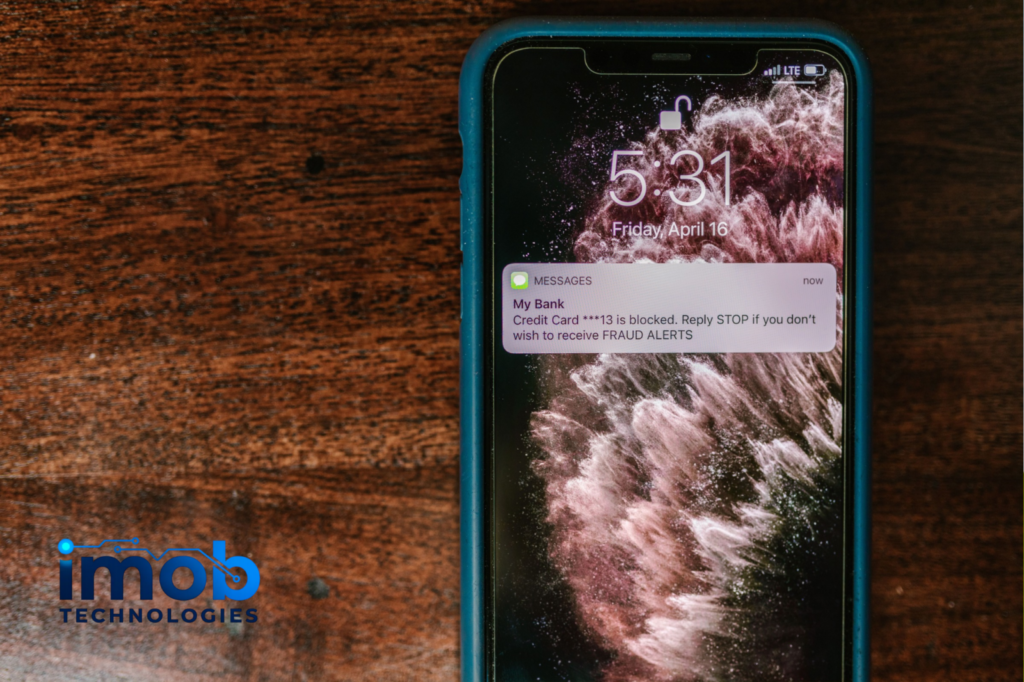
Some scammers combine phone calls with text messages.
They may call first, then send a link that looks like it belongs to a bank, delivery company, government portal, or support page. The link may lead to a fake login page or malware.
Do not tap links sent during a suspicious call.
Instead, open the official app or type the official website address yourself. This small habit can prevent phishing attacks that look professional at first glance.
8. Use Built-In Spam and Call Protection Tools
Your phone and carrier may already have tools that help reduce scam calls.
On Android and iPhone, check settings for:
- Caller ID
- Spam protection
- Silence unknown callers
- Call screening
- Blocked numbers
- Carrier scam protection
These tools will not catch every AI scam, but they can reduce the number of suspicious calls that reach you.
Also keep your phone updated. Security and spam protection features often improve through system updates, app updates, and carrier-level changes.
9. Report AI Phone Scams
Reporting a scam may not recover money instantly, but it helps authorities track patterns and take action.
If you are in the United States, you can report fraud to the FTC at ReportFraud.ftc.gov. You can also file unwanted call complaints with the FCC through its consumer complaint center.
The FCC has also classified AI-generated voice calls as robocalls under the Telephone Consumer Protection Act in many cases, meaning voice cloning calls can be illegal without proper consent.
If money was stolen, also contact your bank, payment app, or card provider immediately. The faster you act, the better your chances of limiting damage.
What to Do If You Already Answered a Suspicious Call
Answering the call is not the problem. What matters is what happened next.
If you only answered and hung up, you are probably fine. But if you shared information, clicked a link, sent money, or gave a verification code, act quickly.
Do this:
- Contact your bank or payment provider.
- Change passwords for affected accounts.
- Enable two-factor authentication.
- Report the scam to the FTC or your local consumer protection agency.
- Warn family members if the scam used your name or voice.
- Watch for follow-up calls, texts, or emails.
Scammers often try again after they find someone who responds. Be extra cautious for the next few weeks.
Read more: Windows 11 Device Encryption Missing: What Your PC Is Actually Lacking
Quick Checklist: How to Stay Safe From AI Phone Scams
Use this before trusting an unexpected call:
- Does the caller sound urgent or emotional?
- Are they asking for money, codes, or personal data?
- Are they telling you not to contact anyone else?
- Did the call come from a number that could be spoofed?
- Can you verify the story through another trusted channel?
- Would a real company or agency ask for this payment method?
- Did they send a suspicious link after the call?
If anything feels off, hang up and verify.
Final Thoughts
AI phone scams are harder to spot because they sound more human now. That is the point. Scammers want you to trust the voice, react emotionally, and skip verification.
The best defense is not trying to detect every fake voice. The best defense is building habits that scams cannot easily beat.
Hang up. Call back through a trusted number. Use a family safe word. Never share verification codes. Treat urgent payment requests as suspicious.
A real caller will understand why you need to verify. A scammer will pressure you not to.
FAQ
What are AI phone scams?
AI phone scams are scam calls that use artificial intelligence to sound more believable. They may involve voice cloning, fake robocalls, spoofed caller ID, or deepfake audio designed to impersonate someone you trust.
How can I tell if a voice is AI-generated?
You may not always be able to tell by sound alone. Instead of relying on your ear, verify the call through another channel. Hang up and call the person, company, or agency using a trusted number.
Can scammers clone a family member’s voice?
Yes. Voice cloning tools can imitate a person’s voice using audio samples. That is why a family safe word and callback verification are useful.
Is caller ID reliable?
No. Caller ID can be spoofed. A call may appear to come from your bank, a government agency, or someone you know, even when it does not.
What should I do if I sent money to a phone scammer?
Contact your bank, card provider, payment app, or crypto platform immediately. Then report the scam to the FTC, FCC, or your local fraud authority. Act quickly because some payments are difficult to reverse.
What is the best way to avoid AI phone scams?
The best protection is verification. Do not trust urgent calls based only on the voice or caller ID. Hang up, call back using a trusted number, use a family safe word, and never share one-time passcodes or sensitive information during an unexpected call.




One Comment