


Table of contents
- Why August Is a Smart Month to Think Twice
- Best iPhone for Most People: iPhone 17
- Best iPhone for Creators: iPhone 17 Pro
- Best Big iPhone: iPhone 17 Pro Max
- Best Slim iPhone: iPhone Air
- Best Budget iPhone: iPhone 17e
- Are Older iPhones Still Worth Buying?
- Which iPhones Should You Skip?
- The IMOB Quick Decision Map
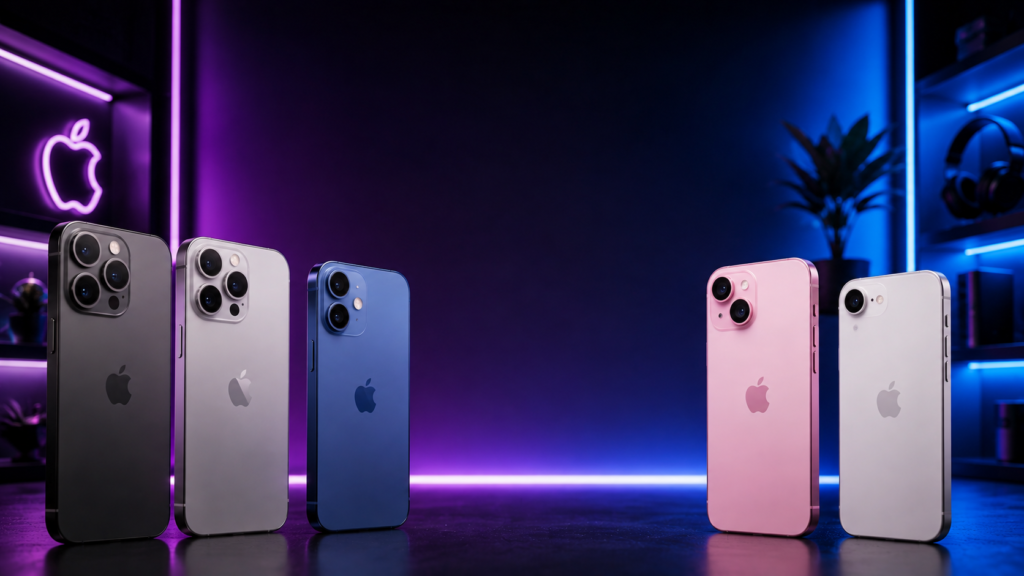
Choosing the best iPhone in August 2026 is less about finding the most expensive model and more about avoiding the wrong upgrade. Apple’s lineup now has a phone for almost every type of buyer: a balanced standard model, a lighter Air model, Pro devices for creators, and a lower-cost option for people who just want a modern iPhone that will last.
For most users, the iPhone 17 is the safest buy. The iPhone 17 Pro is the better choice if you care about camera tools, heavy performance, or long-term headroom. The iPhone 17e is the practical pick if price matters most. The iPhone Air is for buyers who care more about thinness and feel than maximum specs.
Why August Is a Smart Month to Think Twice
August is a strange time to buy an iPhone because Apple’s next launch cycle is usually close. That does not mean everyone should wait, but it does mean you should buy with a reason.
If your current phone has poor battery life, a damaged screen, limited storage, or slow performance, upgrading now can still make sense. If your phone is working fine, waiting a few weeks may give you better trade-in deals, price drops on older models, or a clearer view of what Apple is changing next.
Before buying, check Apple’s official iPhone comparison page. It is the cleanest source for current model differences, including display size, chip details, camera systems, battery claims, and supported features.
Best iPhone for Most People: iPhone 17
The iPhone 17 is the model most buyers should look at first. It gives you the modern iPhone experience without pushing you into Pro pricing. That matters because Apple’s regular iPhones have become strong enough that many people no longer need the Pro version.
The iPhone 17 makes sense if you want a phone that feels current today and should remain reliable for years. It is a good fit for messaging, photos, video, social media, browsing, gaming, travel, and everyday work.
Current guides from trusted outlets such as CNET also place the standard iPhone 17 as one of the strongest choices for mainstream buyers, mainly because it narrows the gap between Apple’s base and Pro models.
Choose the iPhone 17 if you want:
- A modern iPhone without Pro pricing
- Strong camera quality for everyday photos
- Smooth performance for normal use
- A premium display and design
- Better long-term value than older discounted models
It is not the cheapest iPhone, but it is the one that gives most people the fewest reasons to second-guess the purchase.
Best iPhone for Creators: iPhone 17 Pro

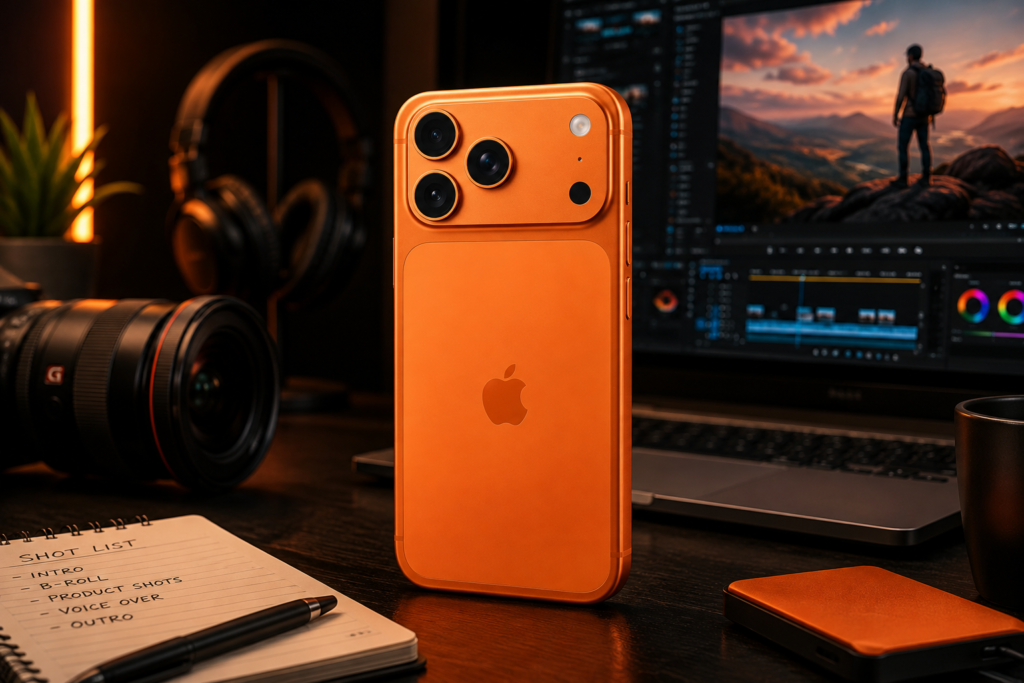
The iPhone 17 Pro is not for everyone, and that is exactly the point. It is for buyers who will actually use the extra camera and performance features.
If you shoot a lot of video, edit content on your phone, play demanding games, or keep your device for several years, the Pro model gives you more room to grow. It is also the better pick if your iPhone doubles as a work tool instead of just a personal device.
The iPhone 17 Pro is worth considering if you care about:
- More advanced camera controls
- Better performance under heavier use
- Stronger video features
- Premium build quality
- More headroom for future iOS updates and apps
If your phone use is mostly messaging, scrolling, casual photos, and streaming, the standard iPhone 17 is likely the smarter buy.
Best Big iPhone: iPhone 17 Pro Max
The iPhone 17 Pro Max is the easiest model to understand. It is for people who want the largest, most premium iPhone and do not mind the size.
The bigger screen is great for games, videos, reading, editing photos, maps, and long browsing sessions. It also tends to appeal to users who want the strongest battery experience in the lineup.
The tradeoff is comfort. A Pro Max costs more, weighs more, and is harder to use with one hand. If you already know you like large iphones, it can be excellent. If you are unsure, try holding one before buying.
Best Slim iPhone: iPhone Air
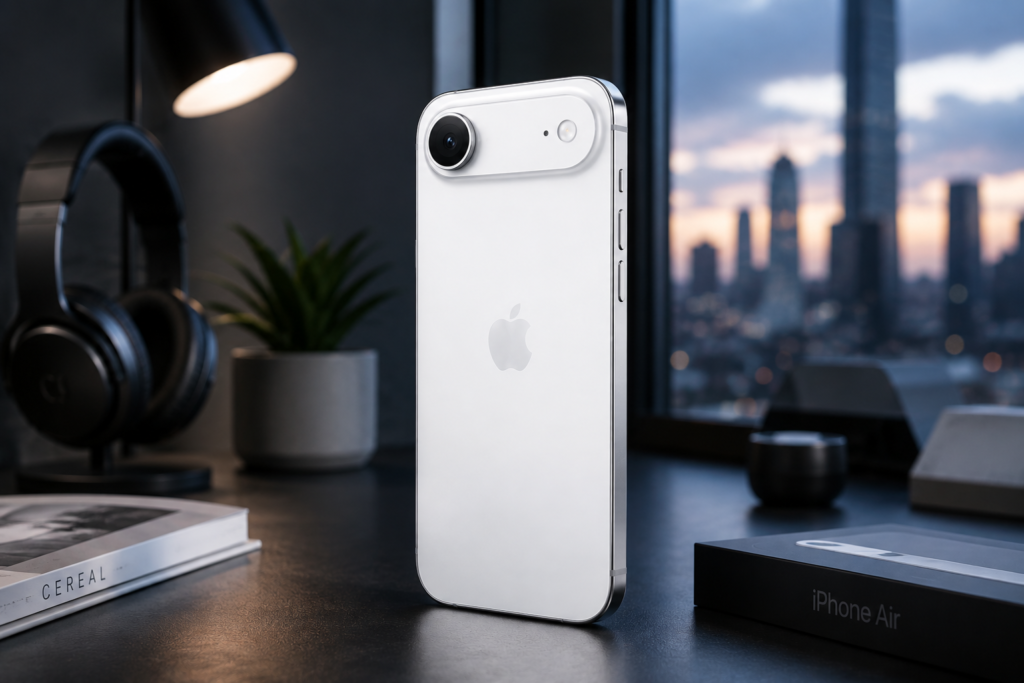
The iPhone Air is the personality pick in Apple’s lineup. it is not trying to be one of the cheapest iphones nor the most powerful iPhone. Its appeal is the way it feels.
A thinner and lighter phone can make a real difference if you carry your device all day, use it one-handed, or dislike the bulk of Pro Max-style phones. The iPhone Air is for buyers who want something premium but do not want a heavy flagship.
Consumer Reports includes the iPhone Air among Apple’s current iPhone choices, which shows how Apple’s lineup has moved beyond the old standard-versus-Pro decision.
The iPhone Air is less compelling if your priority is maximum camera hardware, the longest battery life, or the lowest price. But if design and comfort matter every day, it has a clear place.
Best Budget iPhone: iPhone 17e
The iPhone 17e is the sensible option for buyers who want a newer iPhone without stretching their budget. It gives you access to the Apple ecosystem, modern iOS support, and the basic iPhone experience at a lower price.
This is the model to consider for students, casual users, parents buying for teenagers, or anyone upgrading from an older iPhone that no longer feels dependable.
The main thing to watch is storage. A cheaper iPhone can become frustrating if you buy the lowest storage option and quickly fill it with photos, videos, apps, and offline media. If the price difference is reasonable, more storage may be the better long-term upgrade than a fancier model.
Are Older iPhones Still Worth Buying?
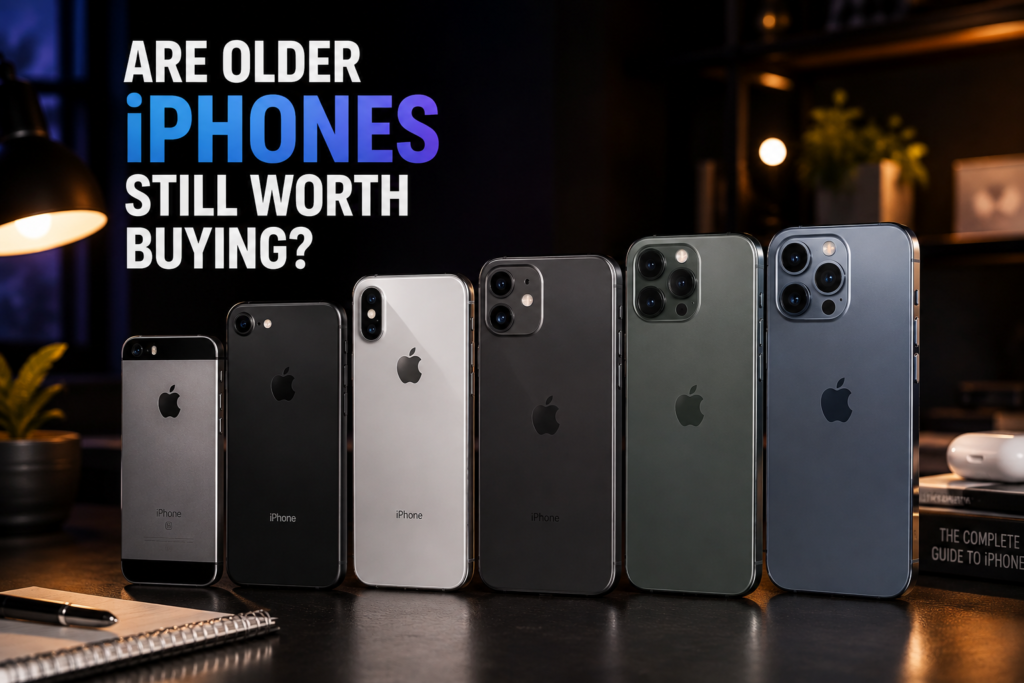
Older iPhones can be good deals, but only when the discount is strong enough. The iPhone 16 series is still worth looking at if it is clearly cheaper than the iPhone 17.
The danger is paying almost-new money for last year’s phone. If the price gap is small, the newer model usually makes more sense because it gives you longer software support, stronger resale value, and newer hardware.
Refurbished iPhones can also be smart purchases when they come from Apple or a trusted retailer with a clear warranty and battery policy. Avoid used listings that do not show battery health, return terms, or device condition clearly.
Which iPhones Should You Skip?
Skip any iPhone that is cheap only because it is too old. A low price can hide weak battery life, limited storage, shorter remaining iOS support, and older camera hardware.
Also be cautious with used Pro models. A worn-out Pro iPhone with poor battery health may be less enjoyable than a newer standard model in better condition.
If you want to keep your next phone for three or four years, do not start with a model that is already near the end of its comfortable life.
The IMOB Quick Decision Map
Use this shortcut if you do not want to compare every spec:
| Buyer Type | Best Pick | Why It Makes Sense |
|---|---|---|
| Most people | iPhone 17 | Best mix of price, performance, camera quality, and long-term value |
| Creators and heavy users | iPhone 17 Pro | Better camera tools and stronger performance headroom |
| Big-screen fans | iPhone 17 Pro Max | Best choice for display size, battery-focused users, and premium comfort |
| Design-first buyers | iPhone Air | Slimmer, lighter, and more distinctive than the standard models |
| Budget buyers | iPhone 17e | Modern iPhone experience at a lower price |
| Deal hunters | iPhone 16 series | Worth it only if the discount is meaningful |
| Long-term owners | iPhone 17 or newer | Better support window and resale value |
The simplest rule is this: buy the newest iPhone that fits your budget, but only pay for Pro features if you will actually use them. For August 2026, that makes the iPhone 17 the best iPhone for most people, the iPhone 17 Pro the smart upgrade for demanding users, and the iPhone 17e the value pick for anyone who wants to spend less without buying too old.
Read More → Why Is My Phone So Slow? Common Causes and Fixes That Actually Help